Showing posts with label Best Skin Treatment. Show all posts

Friday, 29 September 2017

10 Home Remedies For Dry Skin On Face


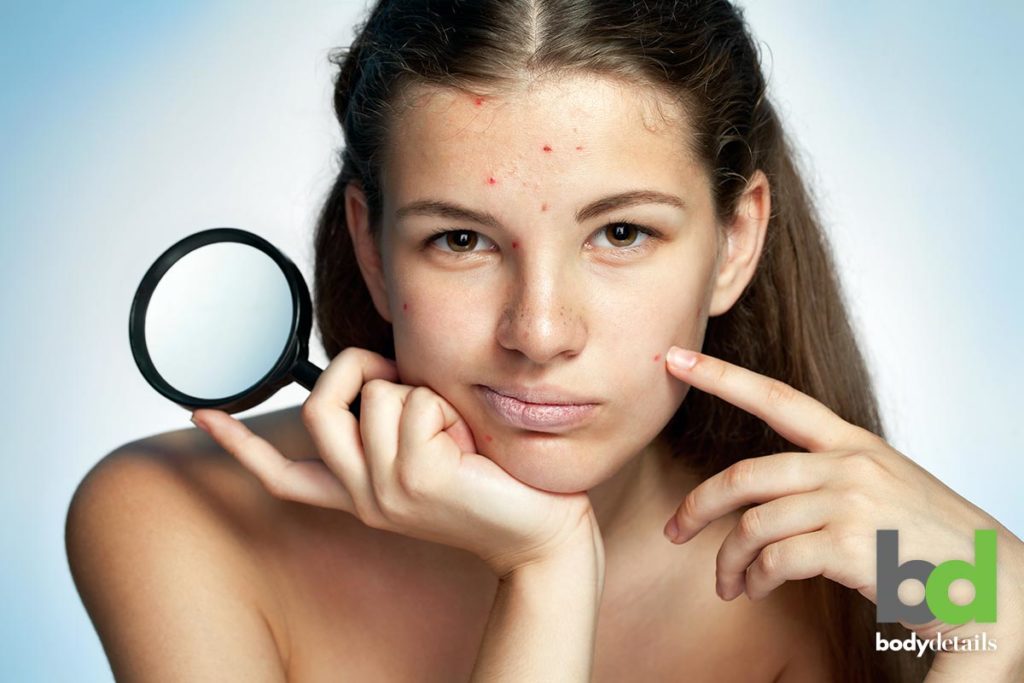
Dry skin is very irritating and spoils your looks. It’s a common problem that most people face at some point in time. Pollution, Sun’s harmful rays, winters or windy weather can wreak havoc on your skin to make it dry. Due to lack of moisture in the skin, it becomes dehydrated, loses its flexibility and becomes cracked, scaly and even itchy sometimes.


Home Remedies For Dry Skin On Face


Take care to treat dry skin as soon as it occurs because if it is left untreated, it could give way to the bacteria to infuse into your skin, which can eventually cause dermatitis.


Dry skin needs an effective lubricant to re-hydrate it. Many dry skin products are available on the market to treat – from mild to extremely dry skin. These over-the-counter chemicals loaded products seldom work, but burn a hole in your pocket. On the other hand, the dry skin home remedies are least expensive but can treat your dry skin with natural ingredients, without any side effects. Here are the selected best home remedies to treat dry, itchy skin on your face and hands. You need to apply these home remedies continuously and consistently, to get the best results.

Home Remedies For Dry Skin


1. Oil Therapy: Rub some olive, coconut or almond oil mildly onto your hands, legs, and rest of the body prior to bathing. A warm oil massage works even better. This will enable your skin to retain moisture after a bath and make your skin soft and smooth.

2. Coconut Oil: Coconut oil works as a natural moisturizer and helps in treating dry, scaly skin – making it soft and smooth. This oil is an easily available dry skin home remedy. It contains ample amounts of fatty acid that can compensate for any loss of moisture from the skin. It works its full magic when left on the skin overnight.

3. Castor Oil: Castor oil is bestowed with natural therapeutic powers of ricinoleic acid and vitamin E that can protect your skin against soap, warm water, and the winter dryness. This acts as a natural astringent to take away all impurities from your skin. It easily seeps into the skin and nourishes it. Dab it onto the extremely dry areas over your face to hydrate, avoiding eyes.

4. Glycerin: Hydrate your skin with glycerin, as it helps your skin to absorb and retain moisture. You can easily buy it from your neighborhood drug store. An ancient time effective home remedy for dry skin is to mix glycerin, lemon juice and rose water in equal proportions, and apply it onto your face overnight. You can store this mixture in a bottle in your refrigerator. Apply it regularly every day.


5. Petroleum Jelly: This natural ingredient has been used to pamper dry skin, since ages. You can also combine it with glycerin in equal proportions, and apply over your dry skin to slough away the flaking skin and make your skin soft and smooth. It is a best home remedy for all types of skin conditions that erupt because of dry skin.

6. Olive Oil and Egg Yolk Face Mask: The properties of olive oil and egg yolk make them an effective combination to remedy dry skin conditions. Olive oil has been used as a key natural ingredient to treat dry flaky skin. It is a well-known natural antioxidant full of vitamin E and K that become potent to treat dry skin when combined with one or two egg yolks and whipped together to form a face mask of uniform consistency. The egg yolk contains vitamin A that makes your skin soft and smooth by curing flaky skin. Apply this face mask for dry skin onto your face, leave it there for 15 minutes, and then rinse it off to see the wonderful results. This is an excellent natural remedy to treat dry skin. To obtain better results, mix a few drops of lemon juice and rose water to the paste.

7. Avocado and Honey: Avocado and honey when combined together form an effective natural remedy to combat dry skin conditions. They make a good amalgamation of sterolin and humectants to formulate an effective face mask for dry skin. Simply mix mashed avocado and honey in equal proportions and blend them into a consistent paste. Apply it for 15 minutes, and then rinse it off.

8. Banana and Yogurt Face Mask: Bananas can also be used as a dry skin home remedy. Simply mash one banana and apply it like a face mask, leaving it for 20 minutes, and then rinse it off. Alternatively, you can combine mashed banana with plain yogurt and use it as a face pack for dry skin. This natural banana and yogurt face mask for dry skin not only moisturizes dry skin but also exfoliates dead skin cells. You can also just apply the paste on the dry patches for 30 minutes and then rinse it off.

9. Curd Face Mask for Dry Skin: Curd has anti-bacterial properties and is full of antioxidants that make the skin soft and radiant. It is an ideal home-based remedy for dry skin. It has lactic acid, which can remove bacteria from your skin that are otherwise harmful. For better results, mix a little honey and a few drops of lime juice with curd and apply it on the skin, leaving it for 10 minutes then rinse it off.


10. Papaya and Avocado Face Mask:
Avocado face mask is a most effective home remedy for dry skin. Mash one avocado and apply it all over face and dry skin areas on your body to heal the dry skin. Papaya is another well know fruit, which is used in facial masks for dry skin. Mash and blend a slice of papaya, 1 avocado, and 1 banana. Apply this face pack over your face, leaving it for 20 minutes, and then rinse it off to witness the glowing and soft skin.

The above is our recommended dry skin home remedies. If you like to share your natural remedies for dry skin, you can do so under the comments below for the benefit of other readers.


Thursday, 28 September 2017

Solution for Thinning Hair


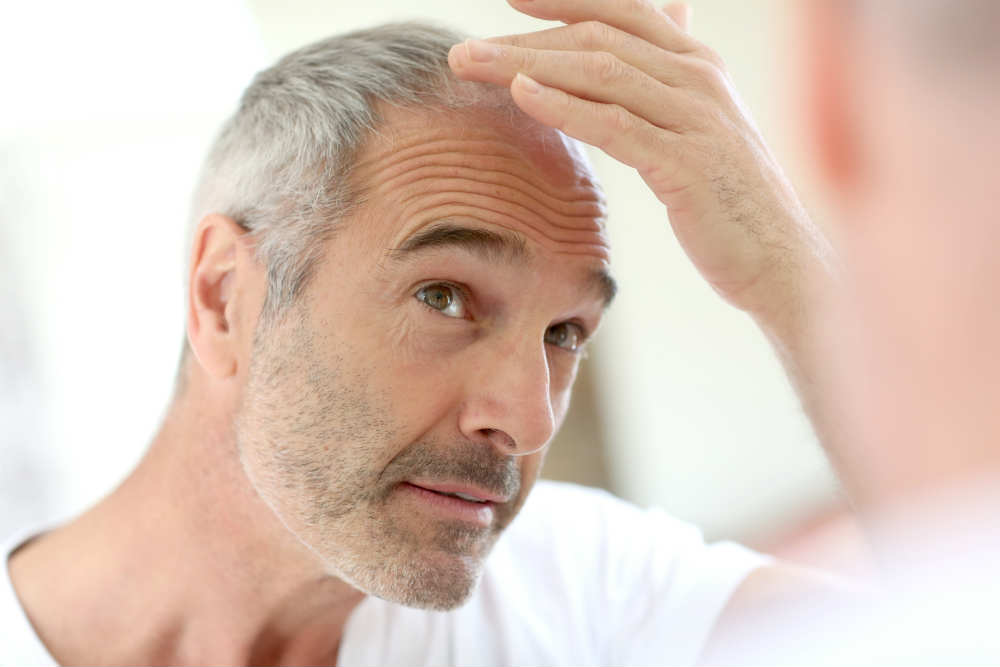
Do you feel like your hair gets thinner and thinner as the years go by? You’re not alone. Thinning hair is a common issue experienced by both men and women.

While more common in older adults, it’s not unusual for hair thinning to occur in your 20s and 30s. There are many causes for thinning hair ranging from hormone imbalances to vitamin deficiencies. Without treatment, hair can continue to shed, resulting in possible bald spots on the scalp.

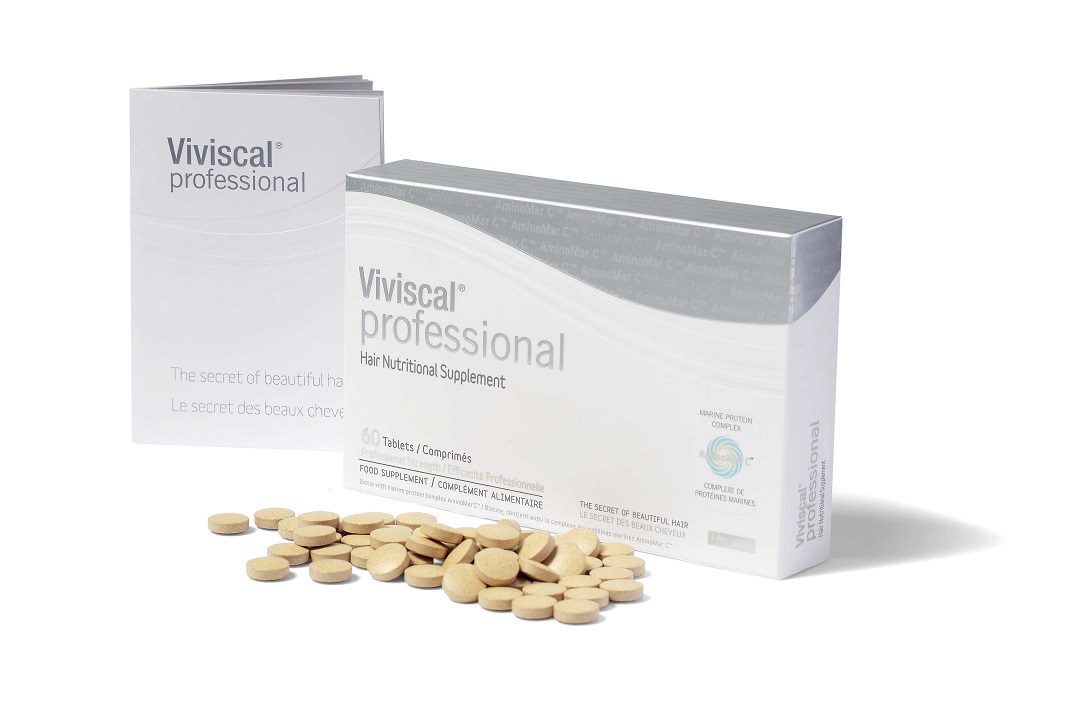
Fortunately, you have options. Viviscal Professional is a powerful dietary supplement that strengthens hair from within.

What is Viviscal Professional?


Viviscal Professional is a drug-free alternative to prescription hair growth treatments. These popular dietary supplements encourage healthy hair growth in men and women. The supplements work on all hair types, including thinning hair caused by age, genetics, and other factors.


This innovative hair treatment works by nourishing hair prone to shedding and breakage caused by coloring, heat styling, over styling, and heat styling. All it takes is a twice-a-day supplement to strengthen your locks from the inside out, leading to stronger, fuller hair that you can style with confidence.

What’s in the Growth Formula?


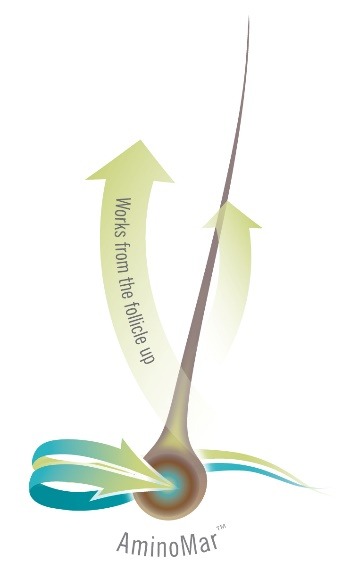
Viviscal supplements are formulated with AminoMar, a clinically-proven marine complex that helps nourish thinning hair and stimulate new hair growth. The supplements also contain other naturally-derived ingredients, such as Biotin, apple extract powder, vitamin C, L-Methionine, and L-Cystine.

Each of these ingredients has its own set of benefits. For example, apple extract powder helps boost hair density, while vitamin C provides protection against free radicals through antioxidants. Biotin helps increase new hair growth.

With Viviscal Professional, you can say goodbye to dull, brittle hair and hello to fuller, healthier locks without the use of drugs or harsh chemicals.

How Do the Supplements Work?


It’s not always easy to slow aging, especially when it comes to your hair. Viviscal supplements reduce aging effects of the hair in several stages. These stages include:


Stage 1: Hair follicles are hydrated and nourished due to the marine complex and blend of nutrients found in each tablet.
Stage 2: Nourishment delivered to your hair strengthens brittle, thin strands for locks that look and feel healthier.
Stage 3: As hair thinning and breakage declines, existing hair growth is encouraged.
Stage 4: By the final stage, hair appears vibrant, stronger, and healthier as nutrients are replenished.

When Will I See Visible Results?


Noticeable results are visible in as little as three months. To achieve optimal results, take a Viviscal Professional tablet two times a day (one in the morning and one in the evening, with water and food) for a minimum of six months.

Viviscal Professional supplements are a safe and effective way to look more youthful by a nourishing thinning hair. If you want to purchase Viviscal Professional supplements, visit us at Cutis Laser Clinics in Singapore.


Best Hair Care Treatment in Lucknow.
Best Hair Removal Treatment in Lucknow.


Source

Best 33 Things before you start your laser hair removal treatments


Why wasting time to shave when you can have an affordable price for permanent hair removal. For nowadays, Laser Hair Removal can cost less than your razors.


So nothing is perfect, what is the catch.


Effectiveness

  1. Nothing is perfect, Laser cannot remove 100% of the hair from almost everyone. The optimum result is 90%+ hair reduction on treated areas.
      2. Laser Hair Removal is not for everyone. People with skin type I or VI may not fit for this treatment.(Not sure about your skin type? Test it with Fitzpatrick Skin Type Worksheet).
  • People with Skin Type I and with Red, White, or pure Blonde hair will not have good results for any laser hair removal treatments on the market. Our recommendation is electrolysis;
  • People with Skin Type VI are good candidates for ND-Yag or few Diode Lasers only. It will take more sessions, sometimes more than double, to achieve the optimum results.
      3. Touch up are required to most people, 2 touches up per year is recommended by most dermatologists.

      4.  Effectiveness for permanent hair removal. In terms of effectiveness on Skin Type I-IV, Electrolysis is the best, followed by Alexandra and Diode laser (similar results), then ND-YAG laser.


The Pain


5. Laser sounds scary but with the newer technology, it can be pain-free to some skin types. However, it depends on the laser equipment from your service provider. Our recommendation is Alma Soprano.

6. Pain level and Numbing Cream preparation for permanent hair removal. It is a little easier to summarize everything into a table.
Laser Type Alexandra Diode ND-Yag Electrolysis(not Laser)

Skin Type


  • I Zap Warm Limited effectiveness Numbing Cream Required
  • II Zap Warm Limited effectiveness Numbing Cream Required
  • III Numbing Cream Recommended Warm Limited effectiveness Numbing Cream Required
  • IV Numbing Cream Required Hot Limited effectiveness Numbing Cream Required
  • V Not Fit for this Laser Hot Numbing Cream Recommended Numbing Cream Required
  • VI Not Fit for this Laser Numbing Cream Recommended Numbing Cream Recommended Numbing Cream Required
  • For Brazilian Bikini Area, Numbing Cream is Required for almost all Laser Type except Diode. For Diode Laser number cream may be recommended for some Skin Types.


7. After all, this is a laser, some pain should be expected especially on some sensitive areas(lip, bikini, underarms).

8. The bottom line for pain levels, if you can handle waxing, you can handle Laser Hair Removal with a nice smile.


The Risks and Side Effects


9. Mild redness, slight scabbing, and irritation may occur around the treated area but will disappear rapidly or within several days following the procedure. In rare cases, the treated skin may become mildly lighter or darker.

10. Laser Hair Removal is not a new procedure, it becomes very popular during recent years. For the past 27 years, there is no study has shown any relation between skin cancer to laser treatments. Moreover, the laser has been used to treat skin cancer clients for the past 10 years with great success.

11. Burning is not often, it usually happens to people with darker skins (mainly Skin Type V or VI).

12. Some Skin Types are just not suitable for lasers. Such as a history of hypertrophic scarring or keloid formation. The darker skin types must pay attention to it.

13. People took (Accutane®) within 4 weeks before or after their laser treatments will have an adverse effect because of a typical scarring that has been associated with the use of this drug during treatment. Our minimum requirement is 4 weeks, but our recommendation is 6 months for clients want to start their Laser Hair Removal.

14. Taking Antibiotics 4 week before or after laser treatments are not recommended, it can cause scarring as well.

15. A few people 2%-10%, especially in darker skin types, will have temporary pigmentary changes after laser hair removal treatment. Don’t worry because most of the time this is not scarring. The skin will automatically resolve from weeks to months but everyone needs to stay away from tanning on the treated areas.

16. If you are at all concerned, talk to your dermatologist before you start.

Before Your Treatments


17. The area to be treated should be shaved the day before your treatment.

18. NO Tanning (self-tanner, tanning bed, etc.) 4 weeks prior to treatment.

19. NO plucking, waxing, using a depilatory or undergo electrolysis in the areas you wish to have treated 4 weeks prior to treatment. Shaving is fine.

20. NO Accutane 6 months prior to treatment.

21. NO make-up, lotion, body oil, perfume, and jewelry prior to your appointment.

22. If you have a history of Herpes Simplex Virus or cold sores, you must pre-medicate one day prior to treatment to prevent further outbreaks.

23. Please inform your technician of all current/changes to your medications four (4) weeks prior to your scheduled treatment. Certain medications may cause your skin to be more sensitive to both sunlight and laser light. For your safety, we need to be aware of any medications you are presently taking.

After Your Treatments


24. Some redness and swelling around the treated area is normal after treatment and may feel similar to a sunburn. This should resolve within several hours to several days after treatment.

25. Applying ice packs or cool compresses will help with any discomfort

26. NO exercising or working out for a minimum 12 hours until the redness has subsided.

27. NO saunas, hot tubs, or hot showers for a minimum 12 hours until the redness has subsided. A warm shower is fine if no redness appeared on the treated area. Stop immediately if redness appeared during a shower, and apply the treated area with ice.

28. NO irritants (glycolics, acids, retinoids, etc.) for 7 days after treatment.

29. NO real suntan or use solariums for the entire duration of a course of treatments and for 1 month after the final treatment.

30. NO plucking, waxing, using a depilatory or undergo electrolysis in between treatments. If needed, the only other acceptable hair removal method is shaving.

31. Apply sunscreen daily. It should be at least SPF 30 protects UVA/UVB and contains the physical blockers zinc oxide and titanium oxide. If sun exposure is expected, please apply SPF 50 sunscreen.

32. It may take 1-3 weeks for the dead hairs to shed out of the follicles. It’s recommended that you gently exfoliate the treated area 2-3 times the week after your treatment. Apply moisturizer after exfoliating to help skin replenish.


The Price


33. 33Last and most important factor for everyone. What’s the cost?

Ever heard about YupUs Demands. If not, you should. It is a membership focus on customer satisfaction and benefits.


Anyway, we are here to provide effective services with amazing prices.


Best Laser Hair Removal Treatment in Lucknow.
Best Skin Care Treatment in Lucknow.


Source

Saturday, 23 September 2017

8 COSMETIC ISSUES THAT CAN BE FIXED WITH LASER SKIN REJUVENATION


Laser skin rejuvenation has been around for a while, but now with nonablative fractional lasers, these procedures have become more accessible than ever before. This noninvasive procedure requires little to no downtime after each laser treatment, so more people than ever are looking to laser rejuvenation to get rid of their imperfections.

These are the 8 cosmetic issues that can be fixed after just a few laser sessions.

1. Acne Marks


Acne isn’t just a side effect of teen angst since many people will continue to break out long into adulthood. Unfortunately, alongside pimples come to the scars and marks they leave behind, and as we get older, our skin is less likely to naturally heal these wounds on its own. When a pimple does heal properly, collagen will either fill the damaged area or form clusters of collagen excess. This results in one of the two most common acne scars that destroy the surface of the skin, atrophic acne scars, and hypertrophic acne scars.

Atrophic acne scars will appear as dents in the skin and are extremely difficult to cover up. These kinds of scars are caused by collagen leaving the area were damaged skin cells have formed, and present in four different variations. Each variation displays a hole or dent in the skin to a different degree, yet they are all highly noticeable and frustrating to those who suffer from them. Hypertrophic acne scars, on the other hand, develop when there is an excess amount of collagen forming during the healing process. This excess develops clumps that rest on the skin’s surface, making it uneven and lumpy.

Acne marks are caused by the improper healing of an inflammation or a pimple in the dermis layer of the skin, and the only way to eliminate them is by targeting the damaged skin cells with a laser, ultimately destroying them, so the body is forced to produce new skin cells during the healing process. These new skin cells won’t be damaged, therefore the marks, dents, and lumps left behind by acne will be gone.

2. Age Spots


Age spots are a discoloration in the skin’s pigment due to an excess production of melanin. While it’s unknown exactly why these spots form on the skin as we get older, some doctors suspect it might have to do with years of exposure to the sun’s UV rays. Most common to appear on the face, hands, neck, chest, and shoulders, this skin discoloration can appear on any skin surface.

Laser skin rejuvenation has been able to successfully fix mismatching skin tones, which includes age spots, simply by targeting the skin cells producing the excess melanin. Melanin, or skin pigment, is found in each skin cell and will alter slightly when the skin cell is damaged. Lasers used in skin rejuvenation are able to remove these damaged skin cells by creating microscopic wounds to the area of discoloration. These wounds then produce new skin cells during the healing process that ultimately replace the ones containing the extra melanin that’s causing age spots.

3. Large Pores


Large and oversized pores are caused by the dirt, oil, and dead skin cells trapped inside of the pores, stretching them out to appear larger than they should. For some people simply exfoliating the area or opting for a skin peel can resolve the problem, but for those who can’t seem to get rid of their oversized pores, laser skin resurfacing might be the only option. Part of the laser rejuvenation process is eliminating dead skin cells from the top layer of the skin, which will prevent large pores from forming. Additionally, lasers can target deep into pores to eliminate any dirt, dead skin, or oil that’s trapped in there so current oversized pores will disappear.

4. Rosacea


While it’s not entirely clear what causes rosacea, many believe that abnormalities in the face’s blood vessels cause the skin to appear flushed and red. Laser skin rejuvenation is able to reduce much of the redness that those with rosacea suffer from. By targeting the blood vessels that are causing discoloration in a person’s face, lasers dissolve the blood vessels so that they’re no longer able to show through the layers of the skin.

5. Sun Spots


Similar to age spots, sun spots are patches of excessive melanin that appear as a skin discoloration. As they appear most commonly on the face, shoulders, and chest, it’s easy to confuse sunspots with a cluster of freckles. Caused by excessive time in the sun or after years of tanning, sunspots will not fade in the colder months like many freckles do. Laser rejuvenation can eliminate these spots by targeting the excess melanin located in the damaged skin cells of the spot. The lasers create tiny, microscopic wounds that force the body to heal the area by replacing the damaged skin cells with healthy, new ones. These new skin cells are free of the excessive melanin that was causing the sunspots in the first place.

6. Freckles


While freckles are adorable, they aren’t always located in an optimal spot. They might be on your lips or the corner of your eye, so people think you have something on your face. After a few dozen people try to remove the “fleck of dirt” off your face, it becomes understandably agitating. Whether you love your freckles and just want to get rid of a few in bad spots or you want to completely eliminate every freckle from your body, laser skin rejuvenation can do that. Like any other skin discoloration, the laser targets the melanin in the skin cells of a freckle and creates a tiny wound invisible to the naked eye. The body then replaces the skin cells holding the extra pigment color with new skin cells that will contain your skin’s natural melanin color.

7. Scars


Scars develop when a wound or burn doesn’t heal properly, and the skin cells become damaged ultimately altering the pigment in the cells. Laser skin rejuvenation targets these damaged skin cells and destroys them by creating small wounds in the area. The body will naturally eliminate the damaged skin cells and replace them with healthy ones, which contain your skin’s natural pigment color. Depending on the severity of the scar, it can be eliminated in just a few laser sessions.

8. Skin Elasticity


As we age, the natural elasticity and tightness in our skin fade. This is caused by the decline in collagen production when we reach our thirties. Eventually, collagen production stops altogether, but laser skin rejuvenation can bring it back. By targeting areas of the body where elasticity has decreased, whether it be the face, neck, or chest, lasers heat up the area, ultimately encouraging collagen growth. After just a few laser treatments people have seen a significant difference in the tightness of their skin as well as a reduction in fine lines, wrinkles, and other signs of aging.


Friday, 22 September 2017

HOW LASER TATTOO REMOVAL AFFECTS BODY HAIR


A common concern for those looking to receive laser tattoo removal treatments is how the laser will affect the hair in the area surrounding their unwanted ink.
Since many people don’t fully understand the technology behind the lasers used for both laser tattoo removal and laser hair removal treatments, many assume the same lasers are used for both procedures, leading to the assumption that getting a tattoo removed will also remove or damage body hair.
Those looking to have a tattoo removed on an area of the body were missing body hair would be obvious (such as the scalp or arms and chest for men) tend to put up with unwanted tattoos for longer than they should. So, rather than procrastinate getting laser hair removal any longer, learn the truth about how these treatments will affect body hair.

The Different Targets


When receiving laser hair removal treatments, lasers designed to target and damage hair follicles are used. This is how these treatments are able to provide permanent results. On the other hand, the lasers used for tattoo removal are designed to target different colors of pigment found in a tattoo’s ink. Since the hair and ink are found in different layers of the skin, tattoo removal can be performed without damaging or permanently affecting hair growth in the area.

The Layers of the Skin


To understand how laser tattoo removal differs from laser hair removal, it’s best to first understand the layers of the skin. The skin is made up of three separate layers: the epidermis, dermis, and hypodermis. Body fat and connective tissue make up the hypodermis, which is the deepest layer of the skin. The mid layer, the dermis, is where the hair follicles and sweat glands can be found, and the epidermis is considered the protective layer of the skin.

While both hair follicles and tattoo ink can be found in the dermis layer, the two are considered to be worlds apart. The dermis has two layers within itself: the reticular dermis and the papillary dermis. Ink from a tattoo rests toward the top of the dermis layer of the papillary dermis so that a tattoo can be seen through the epidermis. The papillary dermis intertwines with the epidermis to make this possible.

Body hair, on the other hand, can be found throughout the dermis and epidermis layers, providing an additional protective layer for your skin. The hair follicle, however, which is what is targeted by lasers to permanently remove hair, is found in the deeper layer of the dermis, namely in the reticular dermis. While this is only millimeters away from the papillary dermis where tattoo ink lays, they might as well be miles apart when careful laser tattoo removal treatments are being performed.

Different Wavelengths of Energy


The lasers used for laser hair removal are very different from the lasers used for tattoo removal, but those who don’t understand how lasers’ wavelengths are measured may find that confusing. Lasers all emit wavelengths that are measured in nanometers. This measurement not only differentiates lasers used for hair removal from those used for tattoo removal but also differentiates the different settings used for the various pigment colors in the ink. The most common wavelengths used for laser tattoo removal are 1064 nm, 532 nm, 694 nm and 755 nm—all specific for different ink colors and skin types.

Lasers used for hair removal also emit wavelengths of 755 nm to remove hair, similar to the 755 nm tattoo removal laser used to remove blue and green tattoo ink pigments; however, the pulse duration used in each treatment is very different. The duration of laser pulses used in hair removal is far longer than those used in tattoo removal, as the laser needs to reach further into the layers of the skin to be able to reach the hair follicles. This allows the lasers to target different areas of the dermis without damaging the epidermis.

Find Out What Kind of Laser Is Being Used


One of the biggest mistakes people make when researching places to have their laser tattoo removal treatments done is focusing on the price of each session rather than the kind of laser being used and how well trained the technicians are. Even though there are great lasers out there that won’t affect the body hair after sessions, that doesn’t mean the laser clinic around the corner is using them. Generally, lower end laser spas will use one or two lasers for all of the treatments they offer. Using the wrong laser or a laser set to the wrong setting for a tattoo removal will not only increase the chance of blistering and scarring, but the removal process will be much slower compared to those who use the latest technology. One can end up spending more money on treatments and might have to wait years before being happy with the results.

Additionally, if a laser technician isn’t trained properly, there’s a higher risk of damage being done to the hair surrounding the unwanted ink. Laser tattoo removal treatments should only be performed by a licensed medical professional who has been properly trained on the laser they are using.

In conclusion, few people experience any difference to their hair growth pattern after laser tattoo removal treatments, as the lasers being used shouldn’t target hair follicles. Similar to when the tattoo was done, however, a laser technician might shave the area so that they’re able to clearly see the lines of unwanted ink. If a tattoo is on the scalp or chest, understand that this might be an area where the skin is bare or stubbly for a few months while treatments are being performed.

Some hair loss after laser hair removal treatments is normal, especially for those whose unwanted tattoo is in an area where body hair is excessive. The hair also tends to grow back slower than usual after each treatment until the area is able to fully recover when tattoo removal is complete. These side effects are certainly not permanent though, and very few people experience them.


Wednesday, 20 September 2017

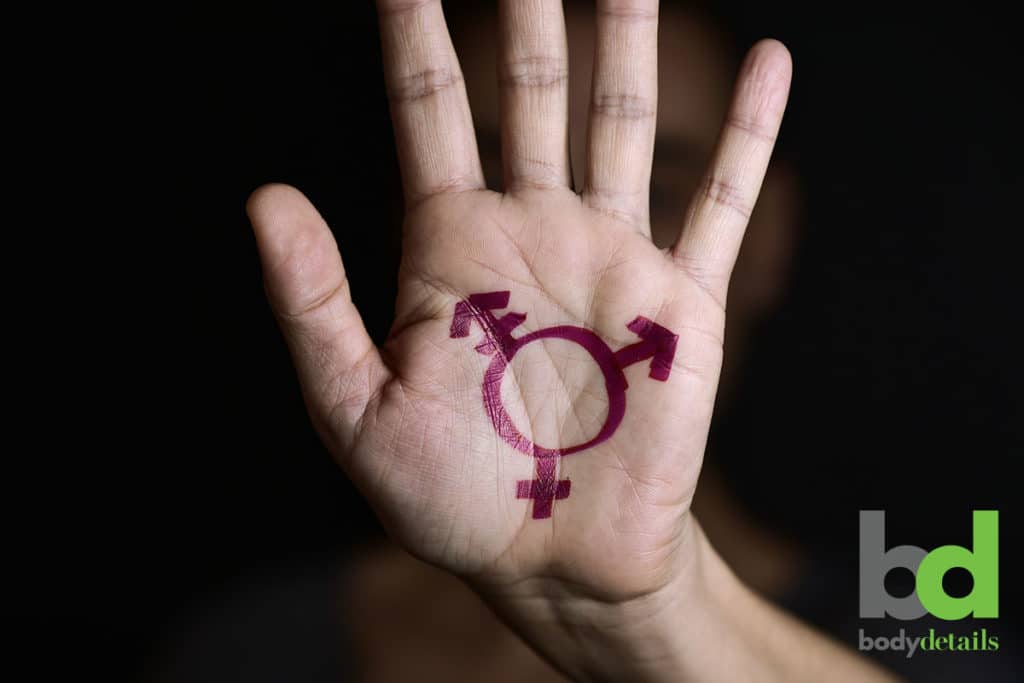
LASER HAIR REMOVAL IS EMPOWERING TRANSGENDER PEOPLE


Berkeley College recently took a major step toward equality on campus by adding laser hair removal to the school’s medical coverage plan for transgender students.

The school’s health coverage already includes hormone therapy, gender reassignment surgery, breast implants for those transitioning to a woman, top surgery for those transitioning to a man, some travel expenses to receive these surgeries and more. For many transgender people, appearing on the outside as the gender they feel on the inside is essential, and Berkeley College is seeing to it that this is not only possible for students but affordable.

Often a large problem for men transitioning to women, body hair can continue to cause insecurities long after the transition has begun. The biggest problem areas tend to be the face and the chest, as hair growth in those areas can be embarrassing and significantly slow down the transition process. For those who take anti-androgens, body hair seems to gradually thin out; however, just taking hormones or taking nothing at all will leave the hair fully intact. While results are different for each individual, some can go years without much reduction in body hair.

For those who don’t seek out permanent hair removal solutions, the result is often heavy irritation and razor bumps caused by shaving or waxing constantly. To avoid this, start researching laser hair removal clinics and schedule an appointment as soon as possible.

First Thing’s First


It’s often suggested that men transitioning to women have laser treatments performed first, before going full-time. For those who aren’t a student or whose school doesn’t include laser hair removal in its medical plan like Berkeley, starting with the face is best for those on a budget. The second most important area for hair removal is the chest and stomach. These areas cause the most stress among those transitioning in regards to body hair, as they’re much more difficult to hide. Additionally, it’s essential that plucking or waxing the area being treated is put on hold for six weeks prior to laser sessions. This is due to the fact that lasers are designed to target hair follicles, but waxing and plucking will take the follicles out, leaving nothing for the laser to target. This is one of the reasons those transitioning start off with laser treatments, so the idea of having to revert to not shaving for over a month isn’t so daunting. It’s best to skip the stress and jump right into laser hair removal as early into the transitioning process as possible.

How Laser Hair Removal Works


Lasers are designed to emit wavelengths that target the pigment or color of the hair, which is found in the hair follicle. The pigment absorbs these wavelengths, effectively destroying the hair follicle and preventing it from growing back. These treatments are great for areas of the body that experience thick, unruly hair growth such as the chest, back or face, and can actually make the appearance of the skin much better. Often, body hair can cause ingrown hairs, breakouts, and irritation from sweat. After laser treatments, the skin will feel soft and smooth, and its appearance will improve since the hair isn’t there to cause irritation.

After each laser treatment, it can be expected that the hair shed within the first few weeks. During this phase, the hair might appear like it’s growing longer, but it’s, in fact, growing out with the hair follicle attached. This won’t happen to all of the hair in the treated area, just the hair that was in the growth phase during the laser treatment.

Because hair grows in cycles, several laser sessions will be required before complete removal is achieved. This is why many transgender men who are transitioning to women choose to start their laser hair removal treatments early in the process, as it does take some time. The average hair cycle runs between 8 and 10 weeks, so each treatment should be at least 8 weeks apart in order to achieve the best results. The number of treatments varies from person to person, depending on hair color, texture, and thickness. Most laser clinics offer package deals, so people don’t have to worry about paying for treatments separately.

Instead Of Going Bare


If having the hair completely removed in a certain area isn’t appealing, the laser technician can instead thin it out a bit. This is often done to make the body hair in that area more manageable, or to reduce skin irritation and blemishes. For those planning on taking anti-androgens, this can be a great way to speed the process up a bit.

Benefits of Laser Hair Removal


Aside from the obvious benefit of getting rid of unwanted body hair, laser hair removal has many other benefits. People who shave or wax regularly save a ton of money on these hair removal methods over time, as the permanence of laser hair removal removes the need for shaving and waxing. One of the best benefits of not having to worry about body hair is that it will significantly reduce prep time. Instead of waking up early each morning to shave, the skin will already be silky smooth and require no touch-ups. This allows people to sleep in, go for a run or take their time having a morning coffee. Whatever is done, it’ll be time better spent.

The skin will also look amazing after laser treatments are completed. It will be smooth and soft to the touch, as stubble and razor burn bumps will be eliminated. The skin will also appear clearer, as without hair ingrown hairs and blemishes caused by bacteria trapped in hair follicles and the sweat trapped in body hair will occur less often. Chafing will no longer be an issue, as well as any other irritation caused by body hair. It truly is a win-win!


Best Skin Care Treatment in Lucknow.
Hair Hospital in Lucknow.


Source

WHY LASER TREATMENTS ARE THE ONLY WAY TO REMOVE YOUR UNWANTED TATTOO


There are a ton of products claiming to fade and completely remove unwanted ink, but what these products don’t mention in their flashy ads are the risk associated with them, how damaging they can be to the skin, and most importantly, how ineffective they actually are.

Some people waste hundreds of dollars and many months on these kinds of treatments that all promise success, all to save a few bucks. In the end, these products only add to the cost of your tattoo removal and can even destroy your skin to the point where removal might no longer be possible.

So, before you spend your money on products that will end up at the bottom of your trash can, learn why laser tattoo removal will ultimately save you some money and a ton of frustration.

Skin Damage is No Joke


When it comes to tattoo removal, most at home methods try to fade the appearance of ink by removing layers of the skin. They contain harsh chemicals that leave the skin feeling raw and sensitive, which might make the user think it’s working when in fact it’s not. Tattoo ink is actually found in the deepest layer of the skin, the dermis, so when people use wrecking creams, chemical peels, and dermabrasion, many layers of the skin need to be removed before the layers where the ink is kept is even reached. By the time this happens, however, the skin tends to be so damaged that it looks worse than the original tattoo.

While skin damage is usually temporary, it can be permanent as well. People who use the tattoo removal methods are doing them at home, so in a fit of impatience, many will apply the chemicals too often and in excess, which leads to scarring. Hyperpigmentation, or the removal of the skin’s natural pigmentation, is also a common side effect from using these tattoo removal methods, especially for those with tanned or darker skin. The skin damage can be so bad that receiving laser tattoo removal or even a cover up becomes impossible.

The lasers used for laser tattoo removal are designed to target the pigment of the ink, without damaging the outer layer of the skin. Technology advancements allow licensed medical technicians who perform the laser procedures to personalize each treatment based on their client’s skin color, skin sensitivity level, tattoo colors, and the tattoo’s location to ensure they get the best results. This significantly reduces the risk of scarring, hyperpigmentation, and blistering.

You Aren’t a Professional


Most ulterior tattoo removal methods appeal to the masses by offering products that can be used at home. They’ve been approved for use by anyone, but the slow progression of these kinds of products often leads to people disregarding the instructions. Like anyone, they assume using more of the product more often will lead to faster results, but it only ends up leading to skin damage.

The same goes for spas who offer chemical peels and dermabrasion for tattoo removal. These kinds of places are trained to perform these treatments to improve the appearance of the skin and aren’t trained to remove tattoos. Often these professionals deal with the surface of the skin, and as mentioned before, tattoo ink is kept deep in the inner layers of the skin. Only a person specifically trained in tattoo removal should perform these kinds of procedures if it’s going to be successful.

A laser clinic should only employ professionals who not only hold a medical degree but who have undergone extensive training on how to use each laser they carry. It’s not enough that someone only knows about the skin in order to perform a successful tattoo removal. They also need to know about different tattoo styles, techniques, and even be able to tell the difference between a professional tattoo and an amateur one. All of these factors will affect how the tattoo is removed.

Beauty Doesn’t Have to Be Painful


While a cheap cream you can buy on the internet doesn’t seem like it would cause any pain, by slowly removing the layers of the skin, it can actually be pretty excruciating. Wrecking creams will slowly remove the skin and feel raw for an extended period of time, while chemical peels and dermabrasion will remove a lot of layers at once. Depending on the area of the body and how badly the procedure was done, pain can range from a minor annoyance to extreme discomfort. What makes the painful effects of these procedures so frustrating is that they last for an extended period of time. Sometimes the pain simply gets worse with each treatment and the skin never gets the chance to fully heal.

While lasers have a reputation for being painful, most people find it less painful than getting the initial tattoo. Additionally, most laser clinics provide their clients with numbing creams to improve their comfort. They also use a cryogenic cooling system that keeps the treated area cold throughout the process, ultimately reducing pain. Afterward, the skin will usually feel sunburnt and could possibly be a bit swollen, however, these effects fade within the hour. Since laser treatments are done at 10-week intervals, the skin is given the opportunity to completely heal so the next treatment is on fresh skin, rather than raw, sensitive skin like other methods.

Lasers Are The Only Effective Method


The goal with using any of these tattoo removal methods is always complete removal of the tattoo, but not all methods can provide this. Even though wrecking balms and chemical peels all claim to get rid of your ink quickly, the truth is that most people find little or no difference in their tattoo even after months of treatments.

Laser treatments, however, are proven to be effective in removing tattoos completely in just a few months. Most people will actually notice their ink significantly fading after just two or three treatments. Also, unlike spas or at home treatments, most laser tattoo removal clinics will offer payment plans that provide you with treatments until you’re satisfied with your results so you won’t have to worry about being stuck with a half-finished tattoo removal.

When it comes down to it, laser treatments are the only way to go when you’re looking to remove your unwanted ink.


Best Skin Care & Hair Treatment in Lucknow.

Laser Hair Treatment in Lucknow.


Source

Monday, 18 September 2017

LASER FACIALS: NOT JUST FOR THE RICH AND FAMOUS


As the latest beauty trend among celebrities, laser facials are a new way to get that smooth, clear complexion we all aim for. Laser facials have been around for a while, but their hefty price tags left few options for the rest of us who are on a budget. However, an affordable alternative is finally available.

The best part? It doesn’t require any downtime. Here’s what you need to know before rushing to book your appointment.

What Is a Laser Facial?


A laser facial, also called laser skin resurfacing, is designed to perfect the skin by reducing the appearance of bumps, acne, acne scars, wrinkles, sun spots, hyperpigmentation, and other imperfections through the use of lasers. These lasers actually dissolve the molecular bonds of damaged skin cells layer by layer, deeply penetrating the layers of the skin that your cleansers can’t reach. Similar to a chemical peel, the lasers remove the epidermis, or the top layer of the skin, allowing healthier, younger looking skin to appear. The results are a soft, flawless appearance that few other products can offer.

How Is This New Process Different?


To make the laser facial more accessible, professionals have developed a process that uses lasers of lesser intensity, making the procedure shorter, less expensive, and with minimal or no side effects. This laser procedure is far less invasive than most alternative laser facials, as it sends hundreds of laser light pulses into the dermis. This process rids the face of damaged skin cells, causing them to regrow as fresh, healthy cells. The lasers also cause the body to produce higher levels of collagen, giving the skin a smoother, firmer appearance.

Before, people were dropping thousands of dollars for this kind of procedure, making it a luxury only the rich and famous could typically afford. Now, it’s simple to find a reputable location that provides laser facials for under $1,000. Skincare professionals are able to significantly reduce the cost by using a nonablative laser, as opposed to ablative lasers. The difference in lasers is what makes the healing process relatively nonexistent.

Similar to washing your face, the facial is recommended to be done on a regular basis. Since the effects last much longer than using any brand name cleanser, most people only get a laser facial once a week or even every other week. If you think about all the money you’re spending on facial products, this is actually a much more affordable solution, and the best part is that it actually works.

Ablative vs. Nonablative Lasers


Typically, you will be able to tell by the price of your laser facial by which laser will be used, but it’s best to be on the safe side and ask. Higher-priced laser facials use ablative lasers, which create open wounds on the skin’s surface in order to produce results. The wounds then heal, which is what provides patients with a fresh face.

Using an ablative laser for facials is considered an invasive procedure that must be done by a doctor, making these lasers less appealing to both celebrities and to us regular folk. Treatments typically take 30-45 minutes, and recovery can range from days to weeks depending on your skin and treatment type. This kind of laser facial is considered cosmetic surgery, so a hospital stay and anesthesia might be required.

A laser facial using nonablative lasers is a noninvasive procedure and tends to be in line with more casual beauty regimens, such as getting your nails done or a trip to the salon. These lasers target the deeper layers of the skin without damaging the epidermis, so there are no open wounds or downtime. Some people experience slight swelling or redness, but it’s a procedure that can easily be done on your lunch break since it only takes 15 minutes.

Since using nonablative lasers is a less aggressive technique, there’s less of a risk of side effects, making it safer overall. Several treatments are required before you’ll see a big difference in your skin’s appearance. However, with its affordable price tag at an average of $600-$700 per treatment, this new laser facial is obviously the better choice if you’re looking to rock the latest no makeup trend. The potential for amazing results is too great to pass up.

How to Get The ‘No Makeup’ Look


Celebrities are all about the fresh-faced, no makeup look these days, and most of us who couldn’t get contouring down are glad to see that look fade. The only thing about achieving this look is that you have to have flawless skin. Now that you know how to get rid of those acne scars and premature wrinkles with laser facials, here are a few more tips to perfecting the look.

Micro beading


We all know thick, flawless eyebrows are in but are practically impossible to achieve. Every day you might be penciling them in, but you’re likely wishing you could just wake up each morning with perfect brows to allow yourself time to catch a few extra ZZZs. Micro beading is one way to achieve this. It uses a special pen to individually tattoo each eyebrow hair, allowing you to finally get the brows you’ve been attempting to draw each day. Results typically last two or three years, so when the trends change and thin eyebrows are back in, you won’t have a problem adjusting.

Facial Laser Hair Removal


Not only is facial hair embarrassing, but it can completely ruin your no makeup look if your foundation is getting stuck in the hairs. Even if you’re only using a tinted facial cream or simple blush, makeup tends to stick to the hair follicles, making it appear like you’re wearing much more makeup than you’ve applied. Whether you find that this problem occurs on your jawline or on your forehead, facial laser hair removal is the only way to ensure a smooth, hairless face for life. You’ll be able to target a small problem area, and after a few treatments, you’ll never have to worry about waxing or shaving again.


Best Skin Care Hospital in Lucknow.
Best Hair Treatment in Luckow.


Source

Saturday, 16 September 2017

TOP 10 SKIN WHITENING TIPS FOR FACE AND BODY


Hi, friends, first of all, we want to explain to you what is Skin Whitening. Skin Whitening means the practice of using chemical substances to lighten your skin tone or to provide an even skin complexion known as Skin Whitening.

In today’s era, everyone wants fair complexion, fairer skin and good looks to show herself/himself healthy and beautiful. So, friends, we have come up with Top Ten Best Skin Whitening Tips for you.

These days, every girl wants fair skin and glow on her face and body. So here, we are sharing some Homemade Skin Whitening Tips for you. All are Natural Skin Whitening Tips with no side effects. By using this you can get a glowing skin.


Natural Fruit Juices


Natural Fruits juice is the best skin care product without any chemical impurities, if you can intake Fruit juice on a regular basis then definitely you would get a glowing skin and a natural glow on your face then you don’t need to use any Chemical Glowing Creams for your skin and body. Some juices like orange juice, pineapple juice, carrot juice which provide vitamins to us and as we know vitamin protects us from diseases and gives us a healthy and glowing skin.


2. Honey and Almond


This is the best way by which you can whiten your skin. You have to follow some important steps get it working. Honey and Almond altogether have a great effect. You can easily make your skin glow by mixing a table-spoon of milk, one tea-spoon of honey, one tea-spoon of lemon juice, along with 1/2 table spoon of almond oil and finally apply on the skin for 10-15 minutes to get good results.


3. Milk And Saffron (Kesar)


This is not exactly a face pack, but a natural treatment that has been known to Indians for ages. This treatment can start to show effects within a month if used on a regular basis. Take 2 spoons of raw milk and mix some strands of saffron to it. Cover the container and let it soak for the whole night. In the morning, Shake the saffron strands mixed in the milk and apply this mixture to your face and neck. Let Your face dry and then wash it off with water. The results will only be visible after applying it for 3-4 times.


4. Lemon


There is no bleaching agent better than lemon because it is the best skin whitening agent for our skin and body. Cut out a small part of a lemon and rub it onto your face in circular motion. Allow the juice to rest for at least 30 minutes.After this use lukewarm water and hope for the good results.


5. Potato


Potato not only whitens your skin but also rids dark circles and eye bags when applied under eyes. Applying potato on a face is simple, just blend a potato and squeeze its juice out. Later, apply onto your face using a cotton ball or a facial cotton and rinse your face with a mild soap. A regular application of the same would show some positive results.


6.Milk And Almond


Milk and Almond are very useful agents of skin whitening. Milk is the best and natural skin whitening agent. To make this mask – take a bowl and put some milk in it, now take 4-5 almonds and put them into the bowl, after half an hour make a paste from it and apply it over the face and body. It will remove dead cells from the skin.It is the best body cleaner for the skin.


7. Cucumber And Watermelon


Cucumber and watermelon, both contain a large amount of water in it. These are very beneficial for us. All of us use these vegetables mostly in summer. So if you want to get a healthy glowing skin, drink cucumber and watermelon juice on daily basis to make your skin glow, as these juices are considered to be very healthy for the skin and body.


8. Honey And Papaya


To naturally glow your skin, use papaya and honey. It is good for our dry and dull skin. Eating papaya daily can improve your natural complexion and also adds a glow to your skin. Both are the best skin toners, crush two slices of papaya and pour some honey on it and then apply on your face. This would definitely fair your skin and also helps in removing the dead skin.


9. Milk With Orange Peel


One of the best ways by which you can get your skin glowing is by using dry powder of orange peel with yogurt. To use this powder – mix a table spoon of dry orange peel powder with 1 tsp of yogurt to make its paste. Now apply this paste over the face and leave it for about 20 minutes. This is homemade natural skin whitening treatment for our skin using this we can get a healthy & glowing skin.


10. Skin Whitening With Pomegranate


Pomegranate is a fruit which makes our skin more glowing and beautiful. It has three times more antioxidants than green tea. It has a high level of A, E and C vitamins. Due to this, ur body gets a good quantity of vitamins. Pomegranate tastes both sweet and sour, but it is a super fruit, using it regularly, we can get a fair and a healthy skin. Make a paste with some pomegranate seeds, mix it with 1 tsp yogurt in it. Apply over on your face for atleast 15 mins for good results.


So, friends, we hope that these Tips for Fair Skin, Tips to Remove Dark Circles, Tips to Remove Dead Cells are helpful to you and would help you to achieve healthy skin. These tips make your face and body more healthy and wealthy. Keep visiting for more articles on Beauty and Fashion. Do not forget to Share.


Friday, 15 September 2017

9 Side Effects Of Laser Hair Removal Treatment That You Should Definitely Know


Excessive hair growth and hair at unwanted places has always been an issue for both men and women. We spend a considerable amount of money and devote a considerable amount of time to remove hair from our arms and legs and different body parts. The traditional methods of hair removal like shaving, waxing, depilatories, and electrolysis are time-consuming, painful, and expensive.

Laser hair treatment has been used as a cosmetic treatment since the past decade with increasing popularity. It works well for all areas of the body like the face, chin, arms, and the rest of the body. It is performed by plastic surgeons across the world and can effectively reduce unwanted hair permanently with minimal risk.

The treatment makes unwanted hair and fine lines disappear just by a snap of your fingers. But in the wrong hands, the hair removal can cause equal harm. It can burn your skin seriously and scar permanently. So before you throw down your cash for laser hair removal, you should know where it works, about its pros and cons and other facts.

So, read ahead and make sure before what you’re getting into.

How Does Laser Hair Removal Treatment Work?


Laser hair removal treatment includes a laser that will emit heat energy, absorbs the light penetrates deep down the root of each hair strand and damages the follicle. Effective for most skin tones and hair types, this damaged follicle will not be able to produce any further hair for a long time, sometimes never.

The treatment is relatively safe, and there is minimum disruption on the skin surface. The procedure works best on people with dark hair and light skin. It does not work on hair that is gray, white, light red, light brown or blonde. Several treatments and sessions may be needed for long-term benefits and permanent hair removal.

Our skin is not adversely affected by the treatment because our skin cools down more quickly than the hair follicles. The treatment ends with the application of creams to cool down the skin and minimize the risk.

Hair removal treatments on face and under the arms are normally completed in about 15 minutes. The other area of the body will need at least one hour to complete the procedure.

Laser Hair Removal Side Effects


While the procedure involved in the laser treatment is usually risk-free, there might be some side effects of laser hair removal to consider.


The use of a laser to remove unwanted hair involves a lot of heat to burn the hair. This can lead to skin burns in some users. The laser hair removal burns occur more frequently in patients with darker skin, as skin with darker pigments absorbs the laser more readily. While, in most instances, the burns are mild, there have been a number of cases where severe burns have been reported.

The laser may cause hyperpigmentation and hypopigmentation.


a. Hyperpigmentation is the darkening of the skin that may occur after the laser hair removal. The laser treatment stimulates melanin production creating a reaction similar to suntan.


b. Hypopigmentation, on the other hand, refers to the lightening of skin that occurs after the laser treatment. The absorption of laser light can inhibit the melanin production, leading to a loss of pigment.


  • It might also lead to eye injuries, so it is important to protect your eyes during the process of laser treatment.
  • Itching is a normal side effect of laser hair removal during and after the treatment.
  • The skin turns red for a few days following the treatment, and there is likely to be swelling around the follicle after the treatment.
  • Pain, tingling, and numbness around the treated area by the laser are probably the most common side effects that can be considered normal.


Laser treatment can lead to crusting and formation of scab around the area treated. A mild bruising may also occur on the sensitive skin. These side effects appear within the first few days of the treatment and disappear shortly afterward.


A very rare side effect of laser treatment is purple coloring of the skin on tanned areas.


Another rare but significant side effect of laser hair removal is an infection. It is important to keep the area clean after the procedure, or you could end up getting an infection after the treatment.

Facts About Laser Hair Removal Treatment


Laser hair reduction is a three step procedure which involves cleaning, shaving, and scanning of the area that is to be treated. During scanning, the laser energy is passed through the skin and is absorbed by the pigment in the hair follicle.

  • The treatment and the sessions involved depends on the area, hair density, and the hair growth cycle that needs to be treated. Generally, a person requires six to eight settings, and in every sitting, 20% of the hair follicle gets permanently disabled.
  • The success of laser treatments depends on two factors: hair color and skin type. Results vary from person to person, but it effectively reduces 40 to 80% of hair.
  • The chance of hair growth is always there, but multiple treatments can lengthen the duration of hair loss.
  • Laser hair removal treatment is effective only on actively growing hair follicles. The treatments are usually spaced apart so that hair follicles take time to grow again.
  • It is recommended that the laser treatment should be spaced three to eight weeks apart depending on the total area covered and also on the hair growth cycle. The legs and arms usually require less frequent hair removal sessions than the neck and face regions.

After the hair removal session, it usually takes two to three weeks for the hair follicles to shed off.


The Types Of Laser Used In This Treatment


1. Ruby Laser


This laser works best for very pale skin and is not very commonly used.

2. YAG Laser

This is one of the most common lasers used and is used to treat darker skinned people.

3. IPL


IPL is the most commonly used laser in the hair removing technique. It is most effective for pale to medium type skin tone.

Advantages Of Laser Hair Removal Treatment


The biggest advantage of laser hair removal is getting rid of unwanted hair growth. Hair removed at a laser clinic will take a long time to grow than by other usual means. It burns and completely disables the hair follicle and in some cases removes the hair permanently. While waxing is still the most popular method of hair removal, laser treatment is long-lasting and at times permanent removal that is making laser treatment an increasingly popular method of removing hair.

  • Laser hair removal treatment is the most effective of all treatments. The majority of people who have undergone this treatment have had positive results and in some cases even permanent hair elimination.
  • Candela or Palomar, the machines used for treating laser hair removal are user-friendly and can be accessed by all age groups of people.
  • Laser hair removal is suitable for removing hair from all parts of the body.
  • It is much less painful than waxing, plucking, threading, and electrolysis. A prickly feeling is experienced, but that can be counteracted with an anesthetic cream. The laser treatment resembles a rubber band snapping against the skin for a quick second with each pulse.
  • The procedure involved in laser treatment is fast and quick. The length of the treatment depends on the size of the area being treated. Each laser pulse will treat an area of 9×9 mm.
  • If there is hair re-growth after treatment, it will be finer and lighter in texture as compared to before.
  • Laser hair removal rarely comes with complications and even if there is some sort of complication, it is never permanent in nature. If any pain or swelling or redness is seen, it subsides quickly. The best technicians and clinics will greatly reduce the likelihood of having any of these complications.
  • With diode laser removal, there is speed, accuracy, and most of all; it is safe and non-irritating. Compared with other epilating techniques, the diode laser is a non-evasive method. So there is less likelihood of having a bacterial infection.
  • Laser hair removal gives smooth skin and enhances the beauty of the person. It is also safe for sensitive areas near eyes and mouth.

Disadvantages Of Laser Hair Removal


The main disadvantage of laser hair removal is the cost associated with the treatment. Six initial sessions are necessary to gain the full benefit of the treatment. You can’t get away from the treatment once you start it. You have to complete the sessions to make it work, and this adds to the cost. A session can cost anywhere between $250 to $350.

  • Another disadvantage of laser treatment is that it gives full results to only a specific type of people. A laser is not beneficial for red, blonde, and gray hair. People with dark skin have this melanin shade throughout their body. Thus, laser treatment is not much effective on dark skin. Even very pale toned people will also not get 100% results and at times no result at all.
  • Laser hair removal treatment is effective only on actively growing hair. It permanently removes the hair follicle that is in an active growing phase. However, the treatment does not prevent new hair follicles from growing. So it is not a permanent hair removal treatment, and some regrowth is possible.

Sometimes, the treatment works only in areas where the hair is thin.


Pre-Laser Treatment Precautions


The area to be treated should be protected from sun tanning and sun exposure for at least four to six weeks. Apply a high SPF sunscreen on the area. Avoid exposure to the sun during the course of treatment as this can cause sunburn.

  • Avoid bleaching, plucking, waxing the area for four to six weeks before the treatment.
  • If you have a history of herpes, go for antiviral therapy before and after the treatment.
  • Do not take any photosensitive drugs or herbals for 24 hours before the treatment.
  • Do not shave for three to eight days before the treatment. For further treatments, do not shave for one to two weeks so that the doctor can see the stubble growth on the day of treatment. Use a sunscreen throughout the course of treatment.

Post Laser Treatment Precautions


There are possibilities of redness and swelling on the treated area which will not last longer than two hours. A clear aloe vera gel is recommended on the treated area for two to four days. Patients with darker skin may have more discomfort, so it is advisable to use the aloe vera gel for a longer time.

  • If the area feels warm to touch even after 24 hours of treatment, apply ice to reduce the swelling and tenderness and promote healing.
  • Avoid using cosmetics and creams over the treated skin as this can lead to skin irritations. Avoid scratch or picking the treated area
  • Avoid internal or external heat i.e. sauna, hot tub, hot oven, steam or heavy exercises that may cause perspiration, for two days as they may stimulate melanocytes leading to hyperpigmentation. Do not wash the treated area forcefully as the skin is still tender.
  • After the first three days of your treatment, it’s not recommended to sunbathe.
  • Remember to take care of your skin. Especially when going out for a walk, always apply a good UV-filtered sun-cream; we prefer powerful, Neutrogena Beach Defense Sunscreen SPF 70 that will keep your skin healthy as well.

Laser Hair Removal Cost


The cost of laser hair removal treatment depends on various factors which include:

1. Area Of Treatment


The area which the patient wants to treat is the most important factor in determining the final cost. Larger areas of the body are charged higher than small patches. The primary reason for this price discrepancy is that the procedure is precise and takes a long time. Larger areas take longer time as compared to smaller portions.


2. Number Of Sessions


The cost of the entire treatment is divided into a number of sessions which is priced differently. So it is important for patients to take a note of the number of sessions which they would need to complete the treatment. To complete the treatment, most patients would require at least six additional sessions which increase the overall cost of the treatment.

3. Type Of Hair


The density, thickness, and length of the hair play an important role in determining the overall the cost of the treatment.

4. Standard Of The Clinic


The total cost of the treatment also depends on the standard and quality of the clinic you visit to get the treatment. There are different types of clinics and hospitals that provide laser treatment and cost of the treatment varies from clinic to clinic. These clinics are determined on the level of luxury and service they provide and the overall standard of health care.

Most clinics charge around $250 to $350 per session. It is important to confirm the number of sessions before commencing the removal.

Some clinics and health care also offer a complete package and are competitively priced to attract the customers.

When going for a laser hair removal treatment always choose a skilled doctor who has proper experience in this field. This minimizes the chance of injury and burning during the treatment and guarantees the best result. Never compromise on the quality to save some money as it damages the body which if you are unlucky can be permanent.

So there you have it, a lowdown on the latest trends in the cosmetic world, laser hair removal. Hope you liked the post, and if you do, please let us know in the comments below. We value our reader’s feedback.


Best Home Remedies to Prevent Dandruff


Dandruff is a problem that many of us face. It is harmless but is disturbing and irritating at the same time. There are various causes of dandruff. These dandruff flakes attract a lot of unnecessary attention. Hence, dandruff should definitely be treated. But the good news is that dandruff is easy to treat. There are several natural ways of treating dandruff. Having said that, instead of caring for the condition after it has occurred, it is always better to prevent the occurring of dandruff. If you have had a history of dandruff conditions, then you will know what is causing the problem, so act accordingly before you face severe hair fall due to dandruff.
Here are few of the common home remedies to prevent dandruff that is to be followed to in order to understand how to prevent dandruff:

Disinfectant oil:

Dandruff can be caused due to several conditions. One main reason could be dryness which results in white scaly flakes. Oiling and massaging your scalp will improve blood circulation and help moisturize the dry scalp. Choose a herbal hair oil or disinfecting oil, so that if there are any infections caused, it can be resolved very soon. You may also use Dabur Amla Hair Oil as amla helps fight the infections in the scalp. It helps to control irritations of dryness and reduces dry flakes considerably.

Washing regularly:

Keep your scalp and hair clean. Wash your hair at regular intervals to cleanse off the dirt build up and dead scales on the scalp. Use your favorite mild shampoo for regular using. We suggest Vatika Premium Naturals Henna and Olive Shampoo. Since this shampoo provides natural conditioning required for the suppleness of the hair, it is best suggested for maintaining healthy hair and scalp.


Homemade treatments to reduce dryness:


  • Apply coconut oil to reduce dryness in the scalp. Vatika Enriched Coconut Hair Oil is an excellent scalp moisturizer. Apply oil all over the scalp. Leave it for 2 hours and shampoo as normal.
  • Use Tea Tree Oil as it prevents the occurrence of dandruff. Mix 2 to 3 drops of tea tree oil with Dabur Amla Hair Oil, mix well and apply onto the scalp. Leave for some time and wash with regular shampoo. 
  • Lime juice is also an excellent remedy for dandruff. Dab lime juice on the scratchy dandruff occurring zone. This will reduce the irritation and dandruff will retreat. 
  • Make a homemade hair pack using yogurt and other anti-dandruff agents. Apply a hair pack on your scalp and hair, leave for half an hour and then wash. Using hair pack regularly helps smoothen hair and improves scalp health. 
  • You can also try this hair care tip - blend a paste of mint leaves, soaked fenugreek seeds, and squeeze in lemon juice to it. This is a perfect disinfectant hair pack and best suited to prevent dandruff and other irritations. 


Anti-Dandruff Shampoo:

Anti-Dandruff Shampoos always come handy when you are prone to dandruff. Dandruff due to dryness or any other fungus infections, all can be controlled by anti-dandruff shampoo. The ingredients in the anti-dandruff shampoo are specifically included to fight dandruff. We suggest using Dabur Vatika Naturals Lemon and Tea Tree Oil Anti Dandruff Shampoo. This shampoo consists of lemon and tea tree oil, both are excellent anti-dandruff agents. This shampoo fights dandruff from the first wash and thus prevents hair fall too.

Hair care diet:

Diet is always important even after all the external caring has been done. Including food in our diet that helps promote hair growth and scalp health is always required. A quick google search will give you the list of hair foods. Including food containing zinc, iron and other multi vitamins is very essential for the hair care.
Hope this information helps you to prevent the occurrence of dandruff. It is always better to control dandruff before it happens intensely and lead to hair fall. Following the basic natural hair care tips is very important.


Thursday, 14 September 2017

5 Types Of Laser Skin Treatments And Their benefits


Skin is the largest and the most visible part of our body. Performing many functions, starting from sense to protection, it suffers all the environmental chaos, the use of harsh products and many other external and internal torments. Any problem, in whichever part of the body, will affect the skin for sure. Age is another factor that affects the skin.


Whatever may be the reason or the problem, skin shows it all, especially on the face. Skin conditions include blemishes, acne, wrinkles etc. The list is never ending. Ageing brings dark circles, sagging skin, wrinkles etc. Anti- aging products, medications, etc. all promise to redress these skin problems. But most of these promises remain unfulfilled! That is when people turn to laser treatments!


What Is Laser Treatment For Skin?


Lasers are sources of high-intensity light. It accurately focuses on small spots with high energy.


The laser beam can gently vaporize and/or ablate the skin tissues to treat wrinkles, scars, and blemishes, seal blood vessels or cut skin tissue. A broad spectrum of the Intense Pulsed Light (IPL) has the ability to specifically treat blood vessels and pigmentation. The technique directs short, concentrated pulsating beams of light at irregular skin, precisely removing the skin layer by layer.

Skin Conditions That Laser Can Treat:


Laser therapy is used to treat varied skin conditions and ailments, including:

  • Unwanted hair
  • Unwanted tattoos
  • Acne scars
  • Aging skin problems, such as age spots, fine lines, and wrinkles on the face
  • Birthmarks
  • Spider veins
  • Droopy, dry, sagging eyelid skin and dark circles
  • Improve crow’s feet around the eyes
  • Pucker marks and frown lines
  • Brown spots and uneven skin color
  • Scars
  • Uneven skin tone and texture
  • Smokers’ line
  • Vascular lesions
  • Skin tightening


With the new improved and advancing technologies, many other skin problems and diseases too can be treated using Laser therapy.

Types Of Lasers:


There are several types of lasers used in skin laser therapy. The wavelength peaks of the laser light, pulse durations and how the target skin tissue absorbs this, determine the clinical applications of the laser types. The broad two categories are:


Ablative Lasers:


In this procedure, an intense wavelength of light is ejected into the skin, which removes the outer layers of aged or sun damaged skin. The laser stimulates the underlying skin, resulting in collagen formation and an improvement in wrinkles. After laser resurfacing, an ointment and dressing is applied to the skin. Once the skin heals after the treatment, new skin forms that is smoother and tighter. Ablative Lasers are of two types:

1. Carbon Dioxide Laser (Co2):


It was first introduced during the late ’60s and is still being used for skin rejuvenation. Due to its side effects, it has largely been replaced with fractional mode lasers, which has fewer side effects and heals faster. It is not apt for darker skin tones.


Skin Conditions: It is used in case of skin cancer, acne scars, deep set wrinkles, birthmarks, other scarring warts, moles, skin tags, saggy skin (encourages collagen production for skin tightening), corns on feet, and sun damage.

Side Effects: It takes a long time to heal huge risks of pigmentation, pain, itching and burning sensation, skin redness, and scarring.

2. Erbium Yttrium-Aluminum-Garnet (Er: YAG):


It helps remove surface-level and moderately deep lines and wrinkles on the face, hands, neck or chest with a minimal burning of surrounding tissues. With lesser side effects, it heals faster than CO2 Laser treatment.
Skin Conditions: It is used to cure pigmentation problems, acne scars, sun damage, fine lines, small to moderate wrinkles, and moles.


Side Effects: It may cause redness, swelling, and bruising, which may last for 1-2 weeks.

Non-Ablative Laser:


Unlike ablative technologies that heat and remove the top skin tissue, non-ablative (or non-wounding) laser work beneath the surface skin layer. It stimulates collagen growth and tightens the underlying skin to improve the skin tone. It also removes fine lines and mild to moderate skin damage.


Non-Ablative Laser-based treatments are of the following types:

3. Pulsed Dye Laser:


It treats the skin by targeting the blood vessels directly to shrink them, making the skin less red. It feels like a rubber band snap, and can be used anywhere on the face and body. It needs around 3 to 5 sessions of treatment. Results are permanent. The time taken for healing is just a couple of hours, during which the pinkness and the redness subsides.

Skin Conditions: It is used to treat spider veins, birthmarks, rosacea, broken capillaries, stretch marks, vascular lesions, and fine lines around the eyes.

Side Effects: Temporary pigmentation and a little bruising are normally reported.

4. Nd: Yag Laser:


Neodymium-doped Yttrium Aluminum Garnet is a crystal that is used as a laser medium for solid-state lasers. These emit a wavelength of high energy light, which when focused on a certain skin condition, creates heat and destroys the diseased cells.

Skin Conditions: It is helpful in treating vascular lesions, pigmented lesions, skin pigmentation problems, spider veins, tattoo removal and hair removal.

Side Effects: It has a low success rate. In case of vascular lesions, there is a high chance of recurrence. There can be pain during the treatment. Redness, swelling, and itching may last up to several days after the treatment.

5. Alexandrite Laser:


This laser emits a wavelength of high energy light that is converted to heat energy. This damages the specific target area. This laser uses the process of photo thermolysis, which means using light (photo) to heat (thermal) a selected area for destruction (lysis). Alexandrite lasers cause very precise tissue destruction of the lesion and leave the tissue in the surrounding area undamaged.

Skin Conditions: It is used to treat brown spots due to sun damage, birthmarks, pigmentations, and pigmented lesions. It is useful for hair removal, tattoo removal, and leg veins.

Side Effects: Pain during treatment is common. Redness, swelling, and itching may last for a few days. It may also cause changes in pigmentation.

Light-Based Treatments:


The light-based treatments are also used to cure skin problems. Though they are not exactly laser treatments but are similar to it in terms of purpose, procedures, and results.

Some of the Light based treatments are:

  • Intense Pulsed Light
  • Pearl by Cutera
  • Photo Facial
  • Portrait
  • Pulsed Dye Lasers
  • Radiofrequency
  • Ultrasound Imaging


Results And Recovery:


The results of laser and light-based treatments vary, depending on the technology and treatment. When properly performed, laser and light-based treatments can visibly improve the skin conditions and problems. And they also rejuvenate the skin.

Recovery too varies, depending on the type of procedure employed. Mild treatments, such as those with low-powered lasers typically have very fast recovery times, generally a few days to one week. This type of treatment does not result in heavy peeling, oozing or crusting of the skin. Aggressive laser treatments require a longer recovery period. Typically, the skin will go through various stages of redness, oozing, crusting and peeling for one week. After that, the skin may remain pink for up to another two weeks.

Is It Safe?

A laser is a surgical procedure and all surgical procedures carry some risk. Ablative laser and light-based treatments can result in infections, cold sores, milia (small white elevated cysts of superficial skin), darkening of the skin (particularly if exposed to the sun after surgery) or cysts.

Non-ablative techniques can cause temporary hyper pigmentation (skin darkening), blisters, and damage to the eyes from laser exposure.

With advancing technology, there are new types of lasers being introduced for various skin problems and skin types. And with so many different types of laser skin treatments available, it is difficult to zero in on the one that will work for you. So it is very important to consult an experienced dermatologist to finalize the treatment plan, tailor-made for you!


Best Skin Care Hospital in Lucknow.


Source